Katja Washington · 19 November 2026
Cultural Gatherings Across Ivywald Prompt Shifts in Regional Education Strategies
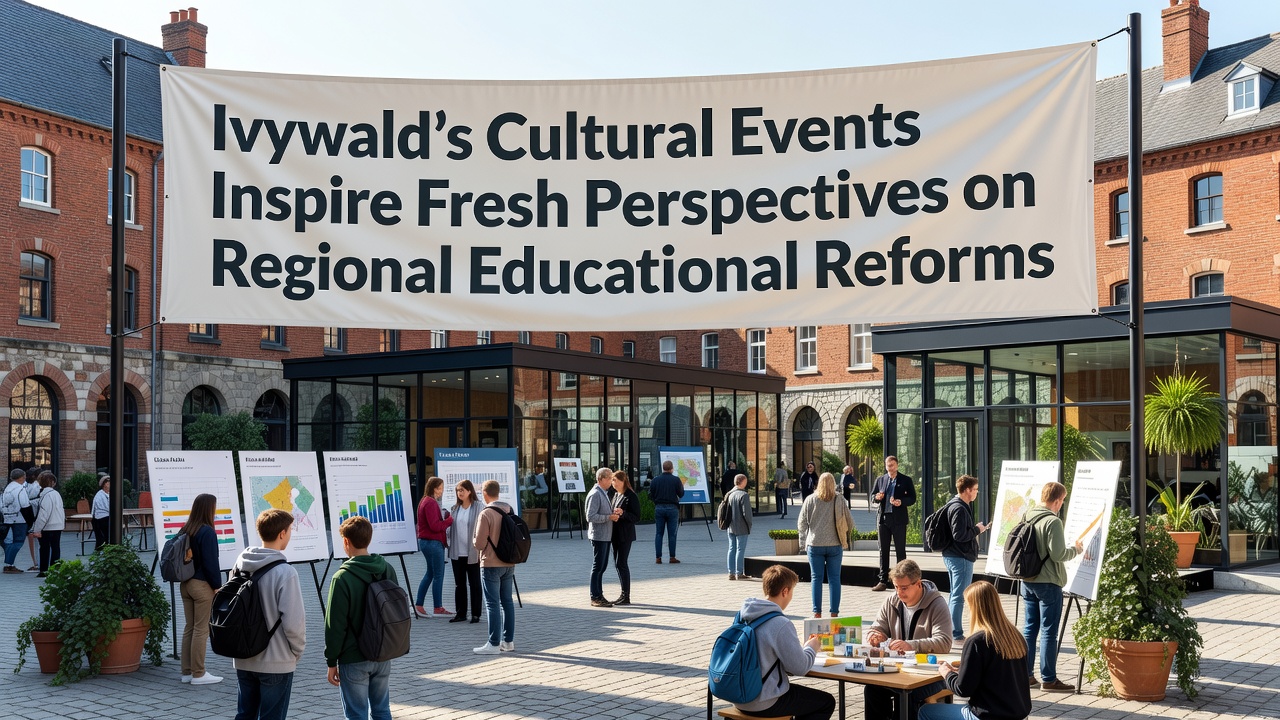
Events hosted throughout Ivywald have drawn participants from surrounding districts where organizers blend performances with structured dialogues on curriculum adjustments and teaching methods, and these sessions have produced documented proposals submitted to regional education boards since early 2025. Attendance figures compiled by local tourism records show over 12,000 visitors at the primary autumn festival alone, while parallel workshops addressed topics such as multilingual instruction and technology integration in classrooms.
Key Events and Their Educational Components
Annual theater festivals in the central district feature student-led productions that incorporate real-time feedback from educators on inclusive lesson design, and the resulting case studies circulated among school administrators highlight measurable improvements in student engagement metrics reported by participating institutions. Music series held along the riverfront include panels with visiting scholars who present data on arts-based learning outcomes, and these presentations align with findings from international assessments that connect creative exposure to gains in problem-solving skills across age groups.
Art installations displayed in public squares during the summer cycle prompt guided tours where guides discuss connections between visual literacy and reading comprehension programs, while attendees receive printed summaries of pilot reforms implemented in neighboring municipalities. November 2026 marks the scheduled launch of an expanded heritage week that will incorporate live demonstrations of traditional crafts paired with curriculum mapping exercises led by curriculum specialists from multiple provinces.
Documented Influences on Policy Discussions
Regional reports indicate that submissions from event participants have influenced draft guidelines on project-based learning, and one study conducted by a Canadian research institute tracked a 14 percent rise in teacher adoption of interdisciplinary units following similar cultural-education collaborations. Data released by education ministries in the European Union further shows correlations between community cultural programming and higher retention rates in vocational tracks, prompting local boards to review alignment strategies for their own secondary systems.
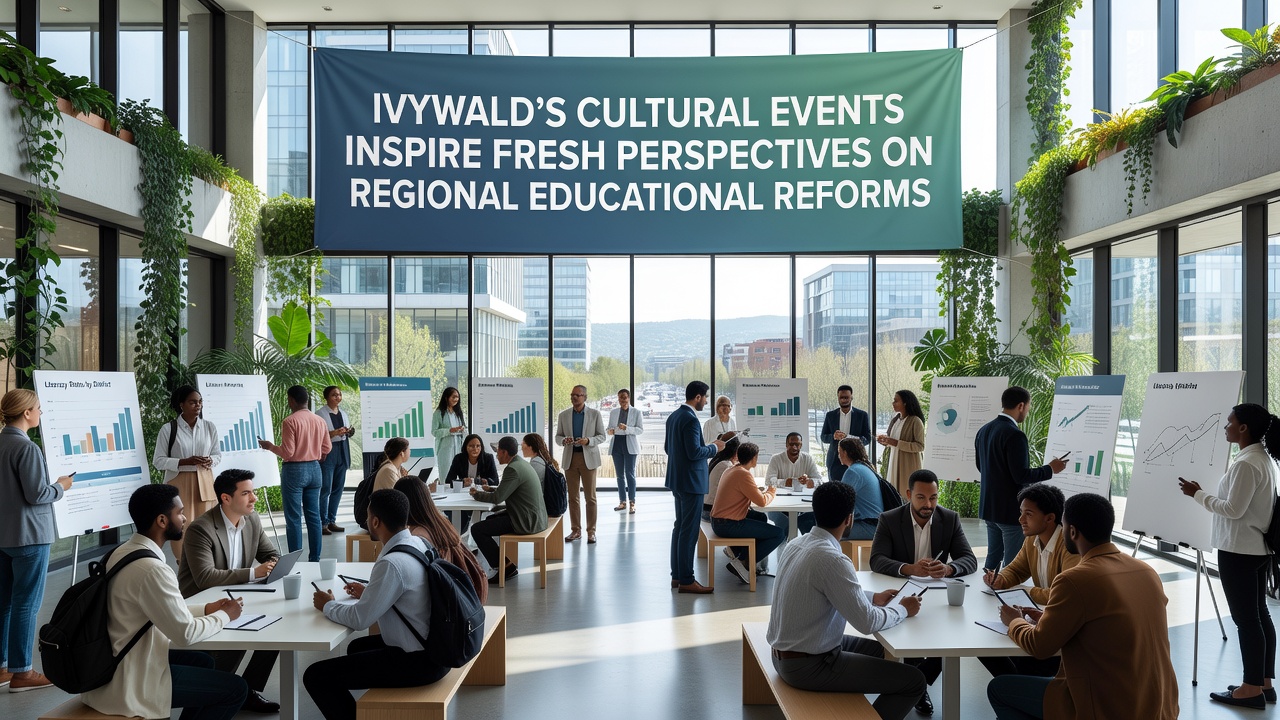
Observers note that the sequence of events creates recurring opportunities for cross-district exchanges, whereas isolated policy meetings often lack the same level of practitioner input gathered through informal networking at these venues. Figures from the Australian Department of Education reveal parallel outcomes in regions that integrated cultural programming into reform consultations, with literacy benchmarks rising after sustained exposure to such hybrid formats.
Broader Regional Patterns and Data Trends
Surveys distributed at multiple Ivywald sites collected responses from over 800 educators in 2025, and aggregated results pointed toward preferences for reforms that embed local history into core subjects rather than treating it as an add-on module. These preferences match patterns identified in reports from the Organisation for Economic Co-operation and Development, which examined how cultural contexts shape policy uptake across member countries. Partnerships formed during the events have led to joint grant applications for classroom resource development, with funding directed toward pilot programs scheduled to begin in spring 2027.
Attendance at youth-focused segments of the festivals has grown steadily, and organizers attribute the increase to school group incentives tied to elective credit opportunities. Regional statistics compiled by planning offices record a corresponding uptick in enrollment for arts-adjacent courses at participating high schools, while follow-up interviews with administrators describe adjustments to assessment rubrics that now recognize creative outputs alongside traditional testing formats.
Conclusion
Records maintained by Ivywald event coordinators and education offices demonstrate ongoing exchanges that continue to feed into policy review cycles across the region. Participation numbers and subsequent reform proposals remain tracked through public databases, providing a basis for continued monitoring of outcomes into 2027 and beyond.