Taylor Perry · 22 October 2026
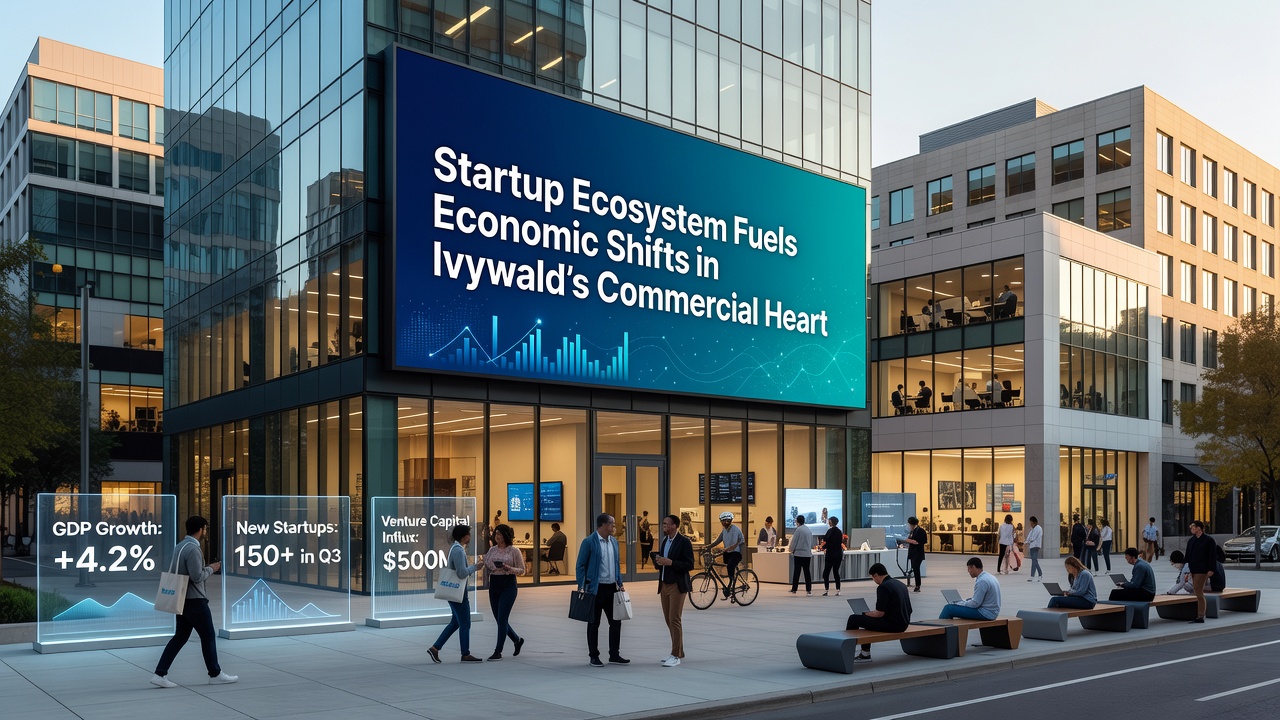
Startup Ecosystem Fuels Economic Shifts in Ivywald's Commercial Heart
Startups have taken root in Ivywald's commercial core where older retail corridors once dominated the landscape, and their presence has reshaped local employment patterns along with property values since the mid-2020s. Observers note that clusters of early-stage companies now occupy renovated warehouses and ground-floor offices that previously sat vacant for years, creating a dense network of software developers, logistics specialists, and service providers who collaborate on projects ranging from supply-chain software to urban mobility tools.
Data released in October 2026 by regional economic trackers showed that the number of registered startups in the central business zone had risen by 28 percent over the previous twelve months, a pace that outstripped growth recorded in adjacent suburbs. Those figures came alongside reports of average office rents climbing 19 percent year-over-year in the same district, while foot traffic at nearby cafés and print shops increased as employees arrived for hybrid work schedules.
Formation of Support Networks
Local accelerators and university-linked incubators established permanent locations along the main commercial artery in 2024 and 2025, offering shared lab space, legal clinics, and seed-fund matching programs that drew founders from outside the immediate region. Researchers at the European Institute for Innovation and Technology documented how these facilities reduced average time-to-first-funding for participating companies by roughly four months compared with earlier cohorts that operated without dedicated infrastructure.
Banking institutions responded by opening satellite branches that specialize in startup lending, and several venture funds opened satellite offices nearby to monitor deal flow. The result has been a tighter feedback loop between capital providers and founders, with weekly pitch events now drawing consistent attendance from both groups.
Employment and Real-Estate Ripple Effects
Employment statistics compiled by municipal planners indicate that startup-related jobs accounted for 14 percent of all new positions added inside the commercial boundary between January 2025 and October 2026. Many of those roles required technical skills, prompting nearby vocational programs to expand coding and data-analysis courses that feed directly into local hiring pipelines.
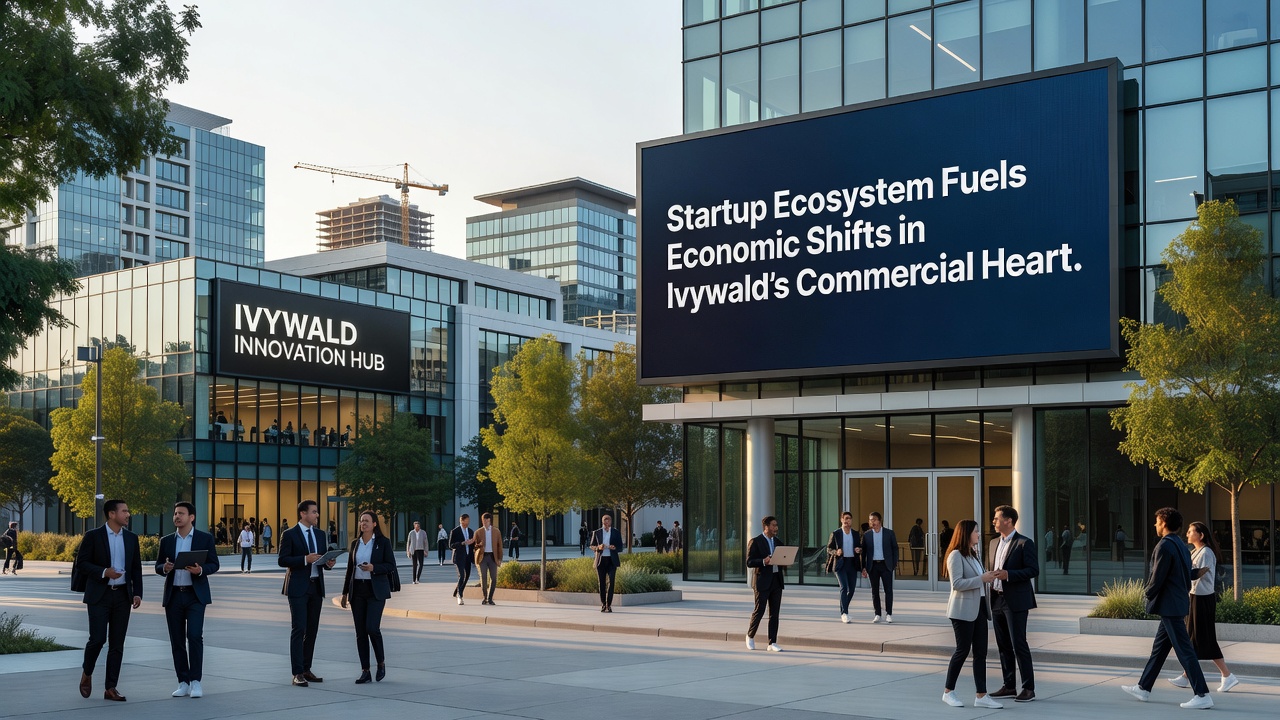
Property owners converted upper floors of retail buildings into flexible workspaces that accommodate teams of five to thirty people, a configuration that proved attractive to companies unwilling to commit to long-term leases. One study conducted by the OECD's regional economics unit found that such adaptive reuse projects preserved building stock that otherwise might have faced demolition, while simultaneously increasing daytime population density and supporting ground-level retail tenants.
October 2026 Milestones
October 2026 brought several concrete developments that underscored the sector's momentum. A new seed fund backed by a consortium of regional banks announced its first close at €42 million, with explicit mandates to allocate at least half the capital inside the commercial zone. At the same time, the municipal zoning board approved expedited permitting for rooftop solar installations on commercial buildings, a change that several clean-tech startups cited as a factor in their relocation decisions.
Trade data released the same month showed that exports of digital services originating from Ivywald-based firms had grown 31 percent over the prior fiscal year, contributing to a measurable uptick in foreign-exchange earnings for the broader municipality. Those numbers aligned with reports from the Canadian Trade Commissioner Service, which noted increased inquiries from North American buyers seeking European supply-chain partners.
Conclusion
The commercial district continues to evolve as more startups secure follow-on funding and expand headcounts, yet the underlying infrastructure of accelerators, specialized lenders, and adaptive real-estate stock remains the primary driver of ongoing change. Figures compiled through October 2026 suggest the pattern of concentrated growth inside the historic commercial core shows no immediate sign of slowing, provided capital availability and regulatory support remain consistent with recent trends.