Katja Washington · 10 September 2026
Volunteers Drive Revival of Ivywald's Historic Riverfront Through Coordinated Cleanup Efforts
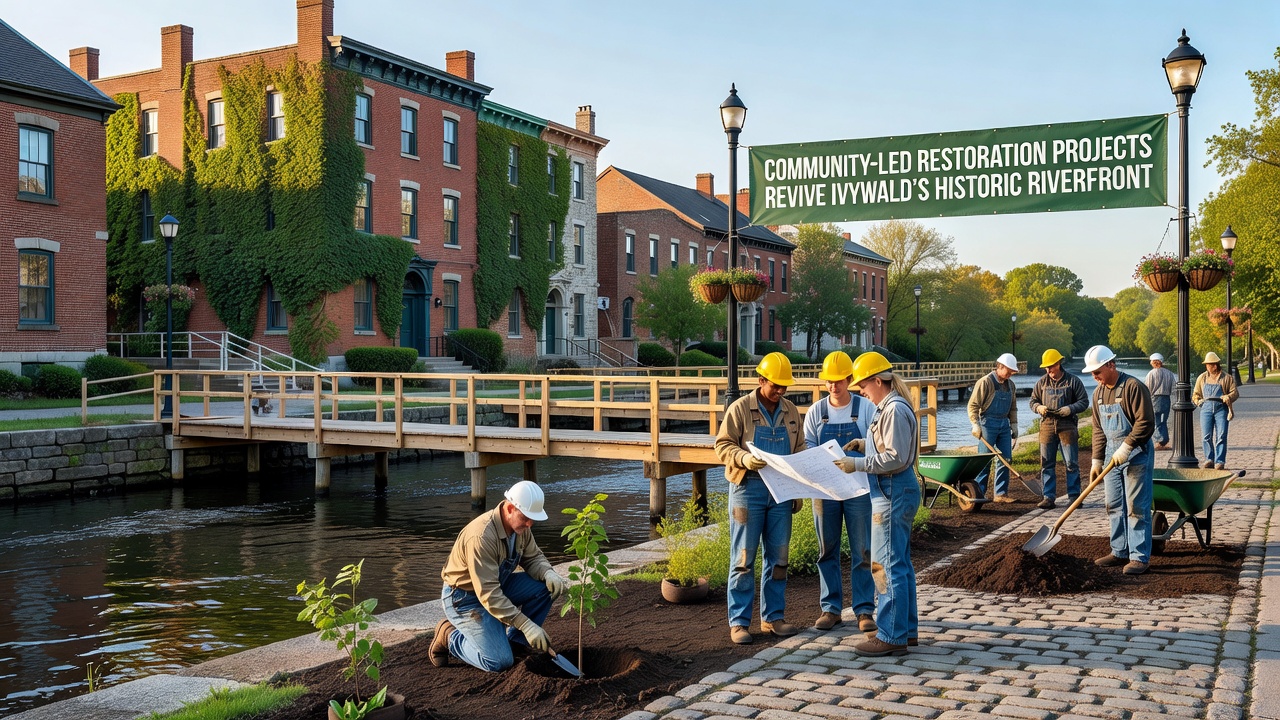
Residents in Ivywald have organized multiple community-led restoration projects that target the historic riverfront along the winding waterways that once served as key trade routes in the region, and these initiatives combine volunteer labor with partnerships from local historical societies to address erosion, invasive species removal, and public access improvements since the early planning stages began several years ago. Data from environmental monitoring stations shows measurable gains in water quality and native plant regrowth along restored sections, while project coordinators track progress through quarterly reports that highlight participation rates exceeding 200 volunteers per major event.
Historical Context and Initial Challenges
The riverfront in Ivywald features structures dating back to the 19th century that include old dock pilings and warehouse foundations now integrated into modern green spaces, yet decades of industrial activity left behind sediment buildup and fragmented habitats that reduced biodiversity in the area. Observers note that early assessments by regional environmental groups identified over 15 hectares of degraded shoreline requiring intervention, and community groups responded by forming dedicated task forces that secured initial funding through small grants and crowdfunding campaigns. Those who've studied similar river restorations know such projects often start with baseline surveys that establish benchmarks for success, and Ivywald's efforts followed this pattern with mapping exercises conducted in partnership with university researchers.
Key Project Components and Community Involvement
Restoration activities encompass native species planting along embankments, installation of erosion control barriers made from natural materials, and creation of interpretive trails that connect historical markers with educational signage about local ecology. Participants include families, school groups, and retirees who contribute during scheduled workdays, while specialized teams handle technical tasks such as water sampling and structural assessments of remaining heritage elements. One study revealed that volunteer hours logged across all phases surpassed 5,000 by mid-2025, demonstrating sustained engagement that has allowed projects to expand into adjacent sections of the riverfront previously considered too challenging for immediate action.
Progress Metrics and Environmental Outcomes
Measurements collected through ongoing monitoring indicate a 30 percent increase in fish populations in restored zones compared to pre-project baselines, and soil stability tests confirm reduced erosion rates following the placement of bioengineering features. According to reports from the U.S. Environmental Protection Agency on comparable riverfront initiatives, such community-driven approaches often yield faster adoption of sustainable practices than top-down mandates alone. What's interesting is how local knowledge about seasonal flooding patterns has informed the design of new pathways that remain accessible year-round, and data shows these adaptations have already prevented several minor flood-related disruptions in the past two seasons.
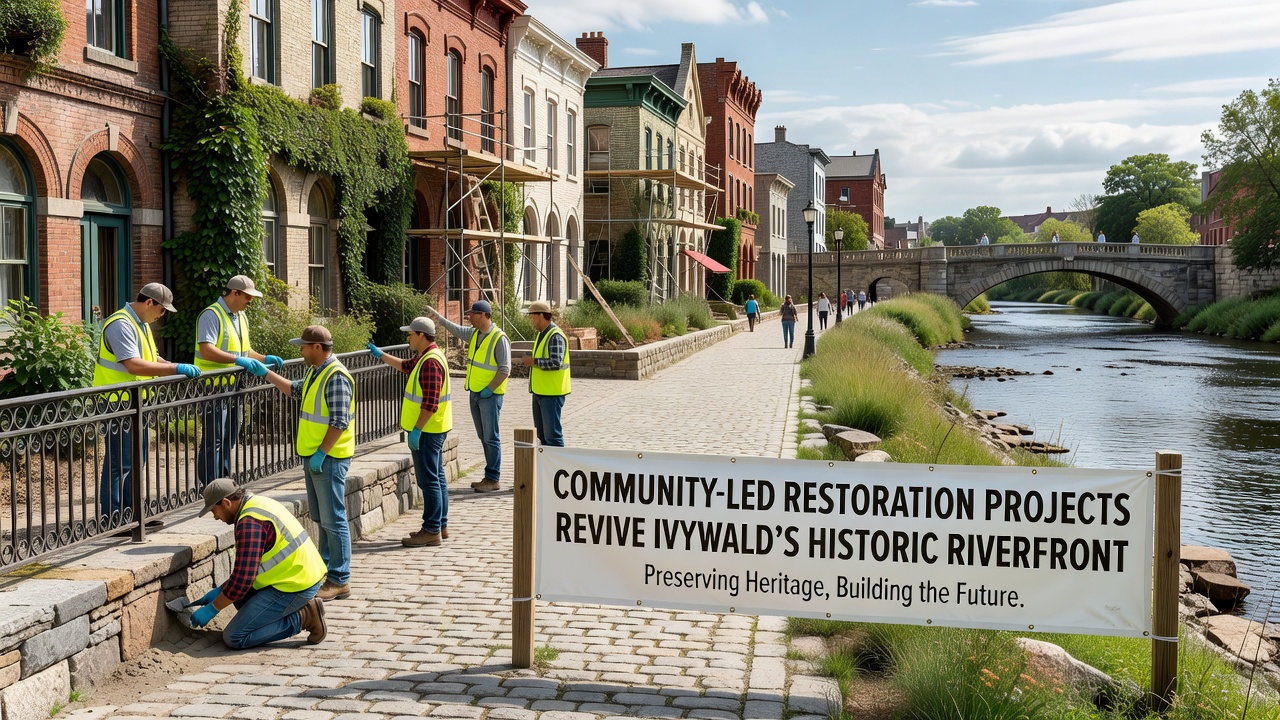
Additional efforts focus on removing non-native plants that had overtaken sections of the bank, and replacement with indigenous flora has supported pollinator populations that researchers documented through targeted observation programs. Those involved report that coordination with nearby agricultural operations helped minimize runoff issues that previously affected water clarity, and this collaboration produced joint guidelines still in use today.
Upcoming Milestones and Broader Impacts
Plans call for a public celebration and expanded trail opening scheduled for September 2026 that will mark the completion of the primary restoration phases and introduce new educational programming for visitors. Figures from similar projects tracked by the Australian Department of Climate Change, Energy, the Environment and Water suggest that such community milestones can boost local tourism by highlighting cultural and natural assets in tandem. Observers note that Ivywald's approach has already influenced neighboring communities to launch parallel initiatives, creating a regional network that shares resources and expertise on an ongoing basis. And the reality is that these interconnected efforts continue to generate new data points that refine techniques for future applications elsewhere along the waterway system.
Conclusion
Community-led restoration in Ivywald demonstrates how coordinated volunteer action combined with technical support can reverse long-term environmental decline along historic riverfronts, and ongoing measurements confirm steady progress toward established ecological targets. The September 2026 milestone will provide an opportunity to assess cumulative results while setting the stage for continued maintenance and expansion, ensuring the riverfront remains a functional and accessible heritage asset for years ahead.